During this long, cold and snowy Swedish winter I have been digging in my photo archives. That's what winter is for. If we had great weather year round like in my home town of San Diego I might never have time to go back and process my images. So this week we travel from the summer snows of arctic Svalbard to the winter heat of Gambia
In my previous post from our Christmas trip to Gambia I shared a few images taken on or around the hotel grounds. Those birds make wonderful subjects. They are used to humans and provide many great photo opportunities that most of us can just dream about.
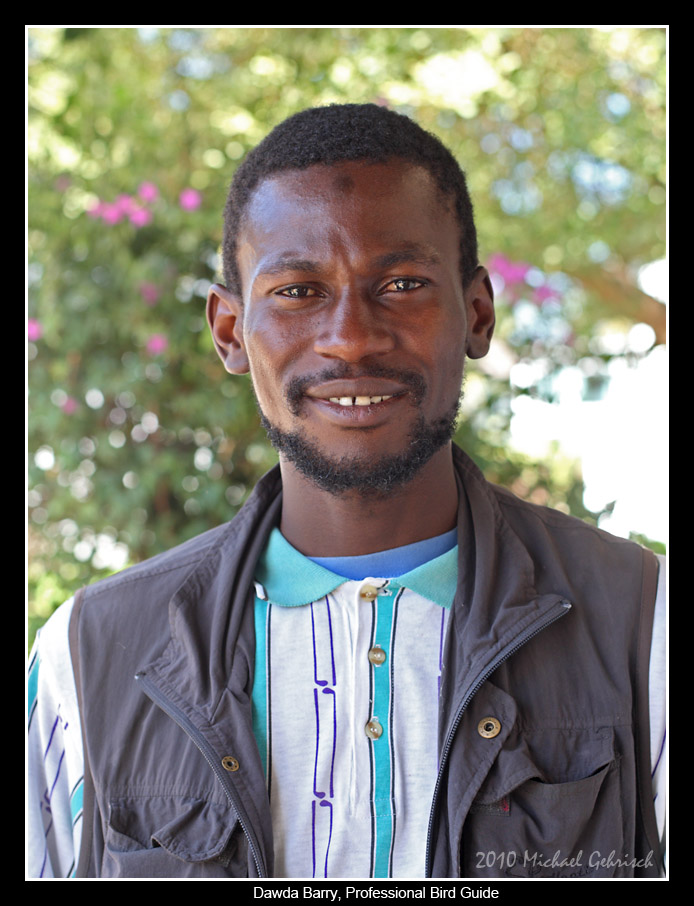
But there are even more birds in the bush, countless birds just waiting to be photographed. The only problem is they are far less cooperative AND the light in Gambia gets to be too bright after about 9:00AM.m and it also gets too hot. For birders this is not such a big deal, but for photographers, it's all about the light. So we arranged with our guide that we would leave before sunrise and head out to his favorite birding areas while the light was still good. And Dawd Barry our guide delivered. He took us to several different habitats during the week where we were able to get close enough and with great backgrounds.
All shots taken with the Canon 7D and the 500/4 in most cases with the 1.4X or 2X extender.
A pied kingfisher hunting in the irrigation canals of nearby farming lands.
Little bee-eaters are everywhere, but they are still beautiful.
A pair of wire-tailed swallows mating at the end of December.
And in the bush a striped kingfisher spies after lizards and insects.
An amazing tail on the glossy starlings
The blue-cheeked bee-eater required a trip off the beaten path, but it also brought us out to the mangroves.
And I have to re-post the African pygmy kingfisher just because the colors are so amazing.
There are a number of reasonably priced hotel in Gambia and the local bird guides are generally very good. Bird photography a couple of hours in the morning and evenings when the light is good and then lots of time to spend with the family for other activities. Who could ask for more.
Sunday, March 21, 2010
Sunday, February 21, 2010
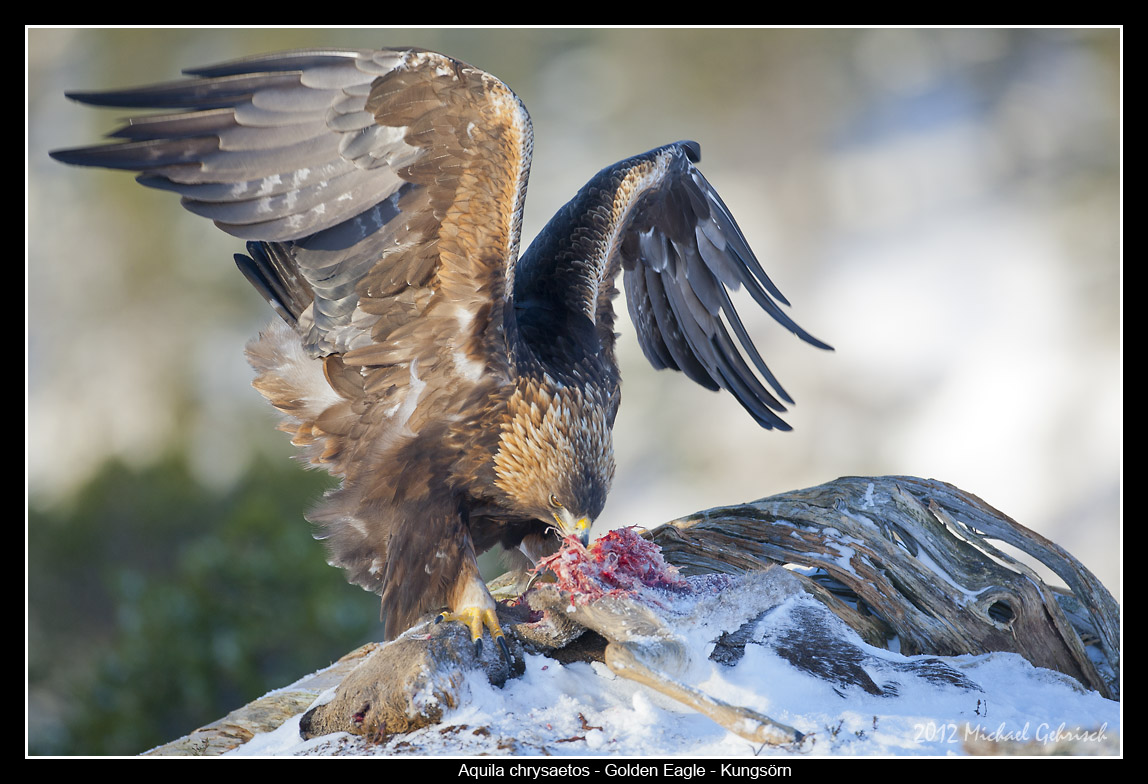
Golden Eagles in Winter
Winter is tough time for bird photography when you live in a cold climate. Like a lot of places in the Northern hemisphere, Sweden is covered with snow and the migrant birds are all enjoying a well deserved rest in Southern Europe or Africa. Bird photographers on the other hand spend their winters chasing the birds in the South or sorting through the tens of thousands of pictures they took during the year, hoping to find a jewel they hadn't noticed earlier, or more likely deleting pictures that just didn't make the cut.
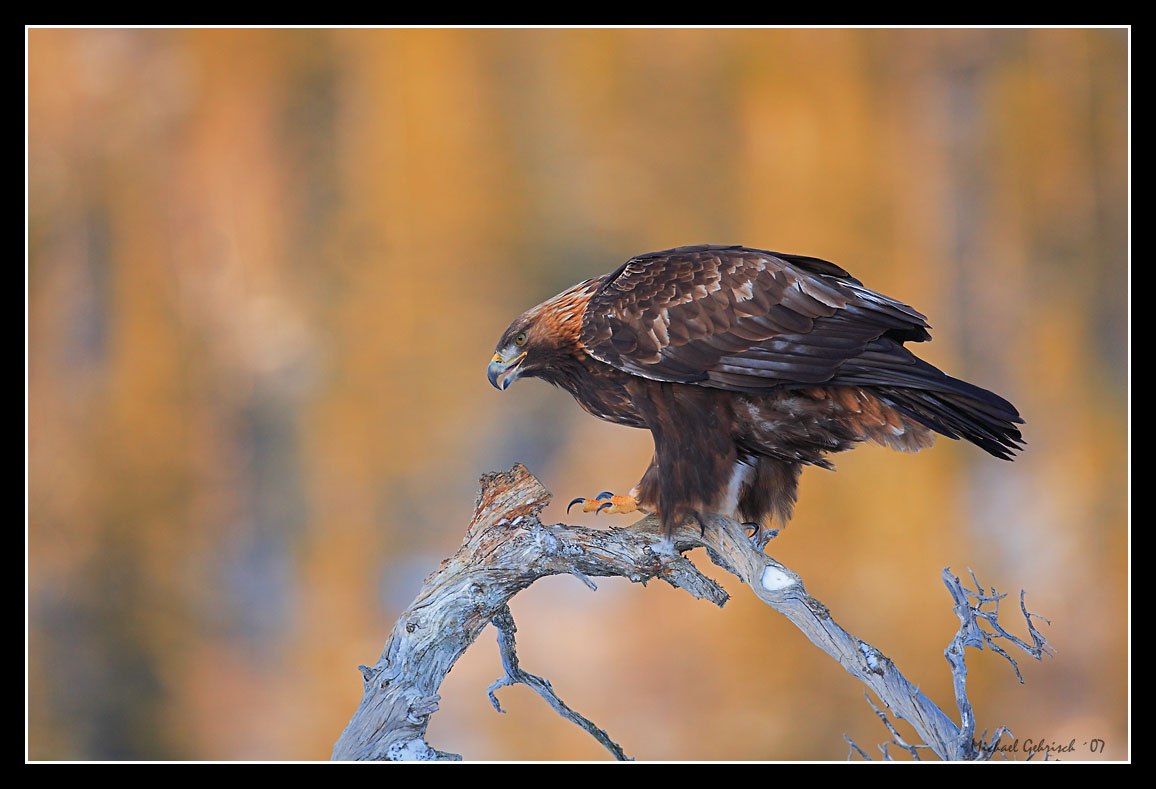
But there are a few special opportunities during the winter that you won't get during the rest of the year; golden eagles will accept a meal that they would snub their noses at the rest of the year.
200km North of Trondheim Norway, Ole Martin Dahle one of the pioneers in Scandinavian hide photography has created an environment that allows viewing and photographing the eagles in their natural habitat, but there are no guarantees. Getting to the hides means entering about an hour before the first light, to avoid being seen by the eagles. And once inside the lights are extinguished, conversations are held at a whisper, and camera lenses stuck through the wall of the hide are not to be removed until leaving the hide. Thankfully a Primus heater keeps the temperature closer to 0C than the -15C outside, but after 10 hours of sitting still, it can still feel pretty chilly. Five days in a hide can yield from 0 to 5,000 images, and the lower the number, the colder it feels and the slower time passes.
As luck would have it the eagles were being cooperative this year and Johan (17) and I got about 2,000 photographs each. Most taken with either the Canon 1DmkIV + 500/4IS or the Canon 7D + 300/2.8IS
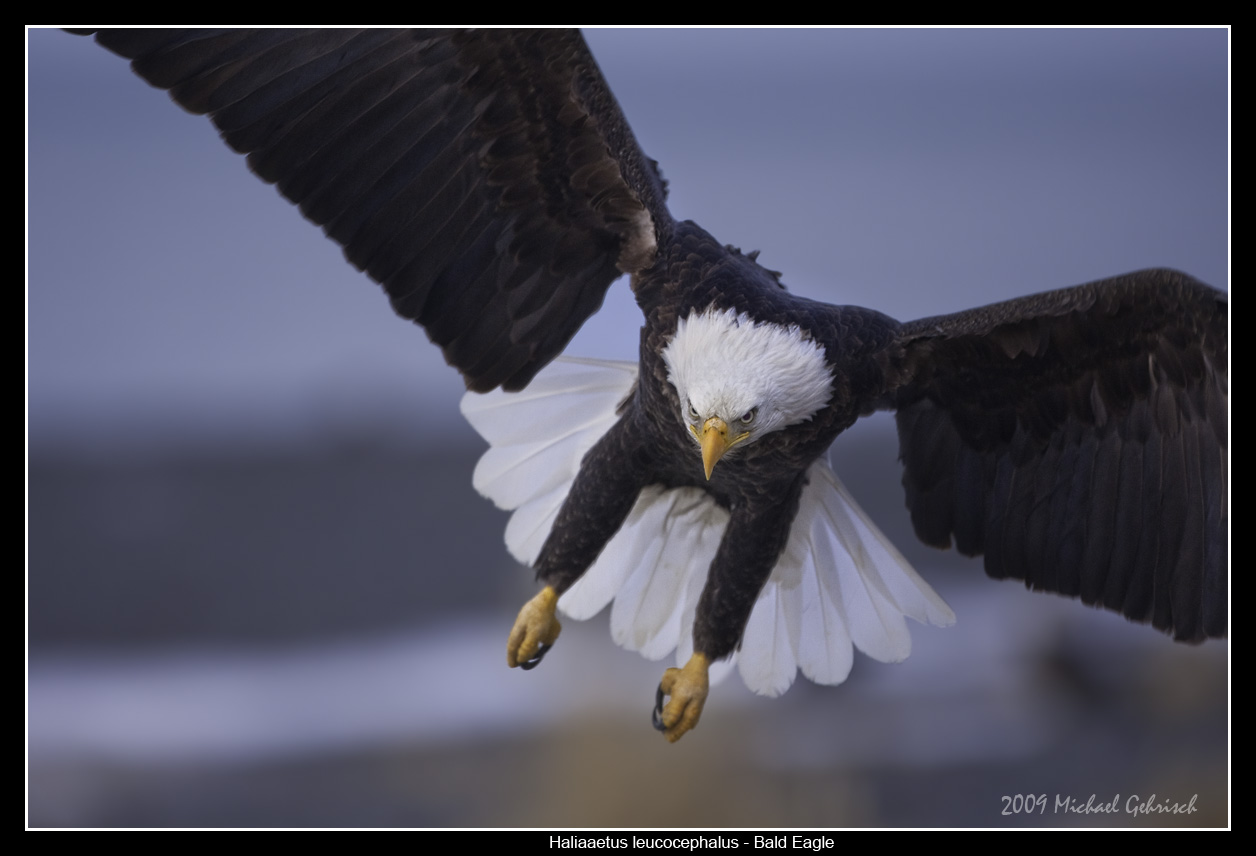
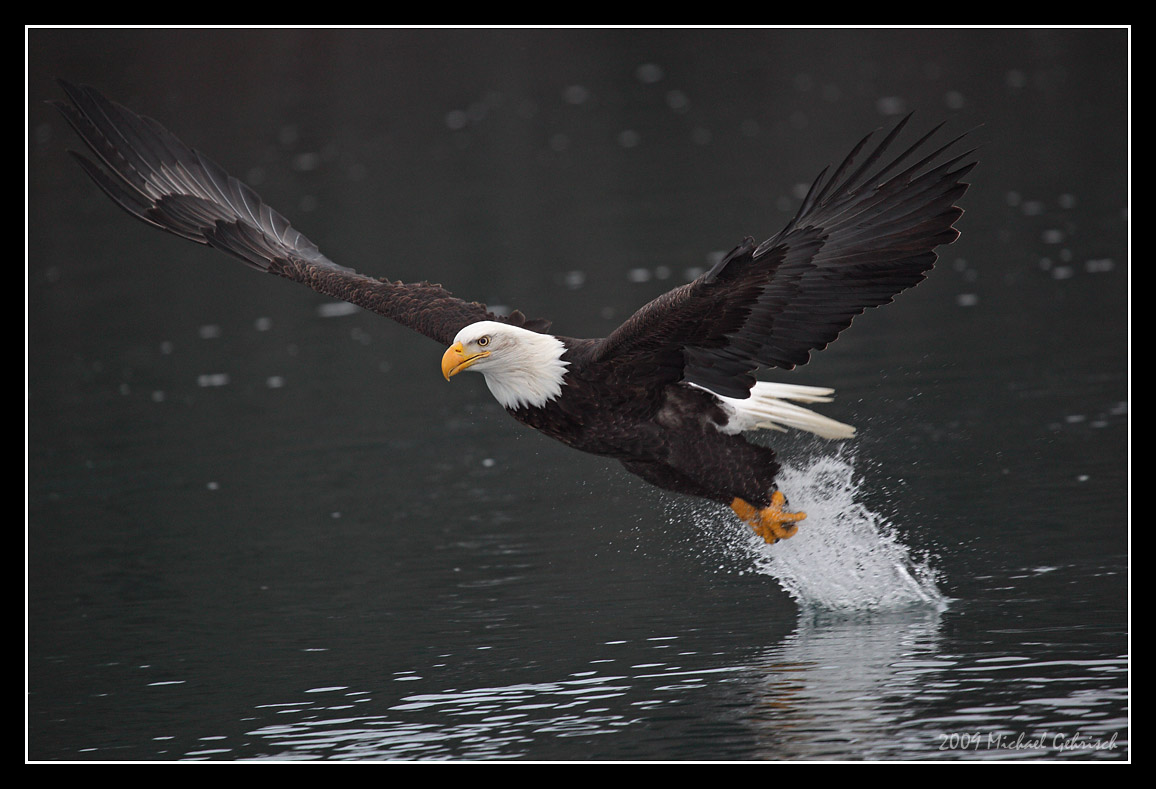
And if Scandinavia is too far away, there are also some great opportunities in Alaska during the winter. For more of my eagle images see:
http://www.pbase.com/kingfisher/norway_photos
But there are a few special opportunities during the winter that you won't get during the rest of the year; golden eagles will accept a meal that they would snub their noses at the rest of the year.
200km North of Trondheim Norway, Ole Martin Dahle one of the pioneers in Scandinavian hide photography has created an environment that allows viewing and photographing the eagles in their natural habitat, but there are no guarantees. Getting to the hides means entering about an hour before the first light, to avoid being seen by the eagles. And once inside the lights are extinguished, conversations are held at a whisper, and camera lenses stuck through the wall of the hide are not to be removed until leaving the hide. Thankfully a Primus heater keeps the temperature closer to 0C than the -15C outside, but after 10 hours of sitting still, it can still feel pretty chilly. Five days in a hide can yield from 0 to 5,000 images, and the lower the number, the colder it feels and the slower time passes.
As luck would have it the eagles were being cooperative this year and Johan (17) and I got about 2,000 photographs each. Most taken with either the Canon 1DmkIV + 500/4IS or the Canon 7D + 300/2.8IS
![]() |
| Taken during an earlier visit (2007) to the the same hide |
And if Scandinavia is too far away, there are also some great opportunities in Alaska during the winter. For more of my eagle images see:
http://www.pbase.com/kingfisher/norway_photos
Thursday, December 31, 2009
The Ghost of Christmas Past
To celebrate our 20th wedding anniversary (New Years eve 2009) our family spent a week in Gambia Dec 24-31. It's not your typical charter destination, but it has a lot to offer for the entire family. We managed to find a reasonably priced hotel directly on Sunset Beach outside of Serekunda and alternated between family outings to local markets and points of interest, sunset walks on the beach, and photography outings with the local birding guides. Some of the best bird photography was on the grounds of the Senegambia Hotel where the birds where almost tame. Photography is best during the morning and evening. Between 11AM and 3PM the harsh light and the heat can be too much. But even midday will work for the birds on the hotel grounds since the birds can also be found relaxing in the shade. So while Lena and Kristina lay by the pool and worked on their tans, Johan and I crawled on our bellies across the hotel lawns armed with our 500mm and 300mm lenses...
More images from Gambia can be seen at:
http://www.pbase.com/kingfisher/birds_of_gambia
Merry Christmas and Happy Holidays!
![]() |
| The beach behind our hotel |
![]() |
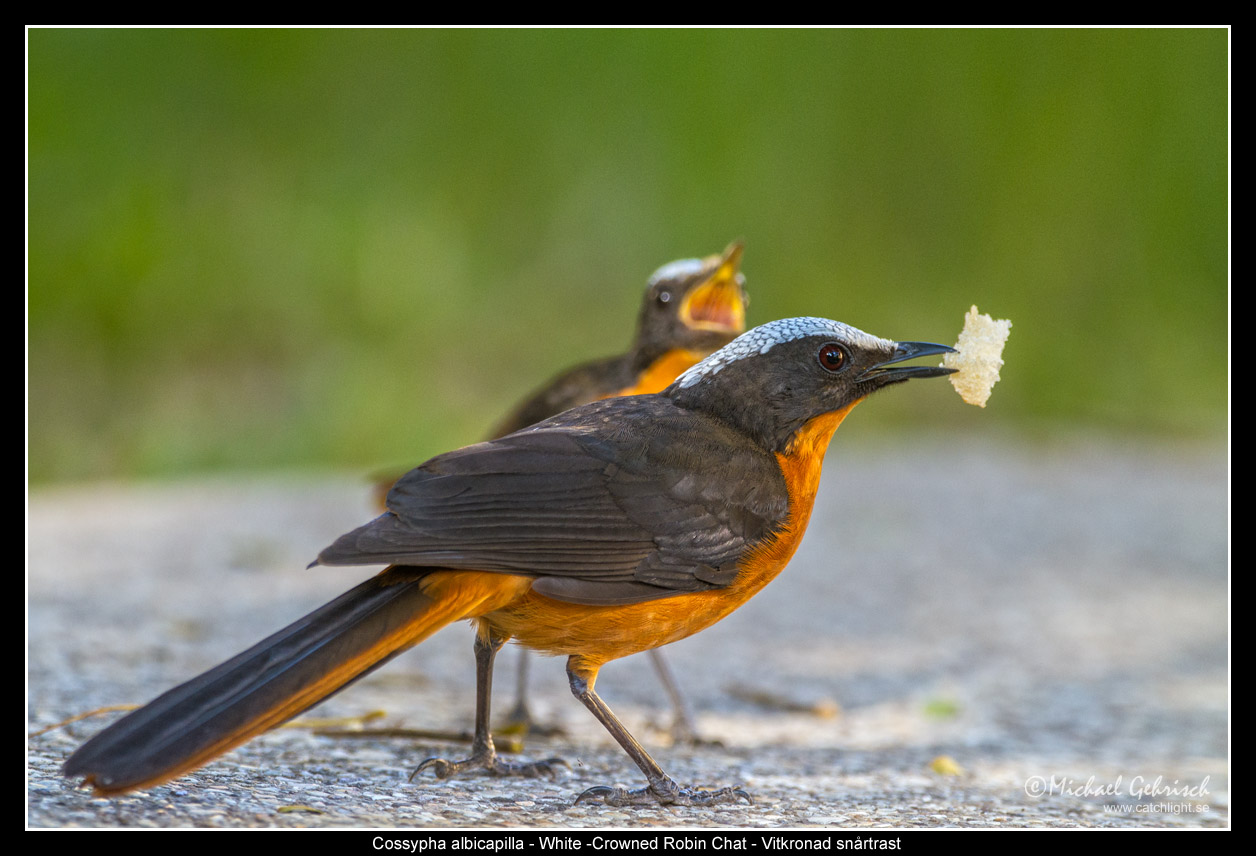
| Apparently white-crowned robin chats have young to feed in December... |
![]() |
| Village weavers beating the midday heat... |
![]() | ||
| Our local bird guide did a great job! His contact info is on my Pbase page |
http://www.pbase.com/kingfisher/birds_of_gambia
Merry Christmas and Happy Holidays!
2009 - On a Wing and a Prayer...
A few of my favorite shots from 2009...
A week in Homer Alaska with my son Johan in February gave us many fantastic photo opps...
Back in Sweden the fun continued with a Northern hawk owl that took up winter residence not far from our home.
April - Goldeneyes are a sign that spring is on its way
In June Johan and I made a long awaited trip to Iceland. See the separate post for more. We both agreed it was the most fantastic place we had ever been!
December took us on our first visit to Africa during a week in Gambia. A few more images from that trip
Have a great year!
http://www.pbase.com/kingfisher
A week in Homer Alaska with my son Johan in February gave us many fantastic photo opps...
Back in Sweden the fun continued with a Northern hawk owl that took up winter residence not far from our home.
April - Goldeneyes are a sign that spring is on its way
In June Johan and I made a long awaited trip to Iceland. See the separate post for more. We both agreed it was the most fantastic place we had ever been!
December took us on our first visit to Africa during a week in Gambia. A few more images from that trip
Have a great year!
http://www.pbase.com/kingfisher
Saturday, July 11, 2009
Iceland on the Rocks
I have wanted to visit Iceland for as long as I can remember. I don't know what it is about cold places that attracts me, but while the rest of Sweden heads South in both summer and winter, my son Johan and I head North. Lena my wife takes it in stride; she and our daughter Kristina have traveled to Spain for shopping and sun while Johan and I have packed our winter parkas in the middle of June and headed for places like Svalbard, Varangar, Norway and now Iceland.
Iceland has historically been one of the more expensive tourist countries, so until recently it was just a place I dreamed about. But that all changed in September of 2008 when the banking system in Iceland collapsed and shortly thereafter the entire Icelandic economy was on the rocks. In March of 2009 the value of the Icelandic krona had been cut in half and all of a sudden Iceland was looking like a pretty reasonably priced destination and Johan and I began creating our plans. We decided to take two weeks and explore the1,339 km Ring Road which basically travels along the entire coast of Iceland and add a trip to the West Fjords to explore the bird cliffs of Latrabjarg.
Rental cars are notoriously expensive on Iceland and the best time to book is 3-6 months ahead of time. The closer you get to summer the more expensive they become, and although we paid 1100 Euros for tiny Opel, by the time of our travel the price on the internet had more than doubled.
We landed in Keflavik at 10AM local and picked up our rental car across from the airport and immediately headed South, for the promised lands of bird and landscape photography. The Blue Lagoon was not on our itinerary, and would be saved for the day we managed to convince Lena and Kristina to join us.
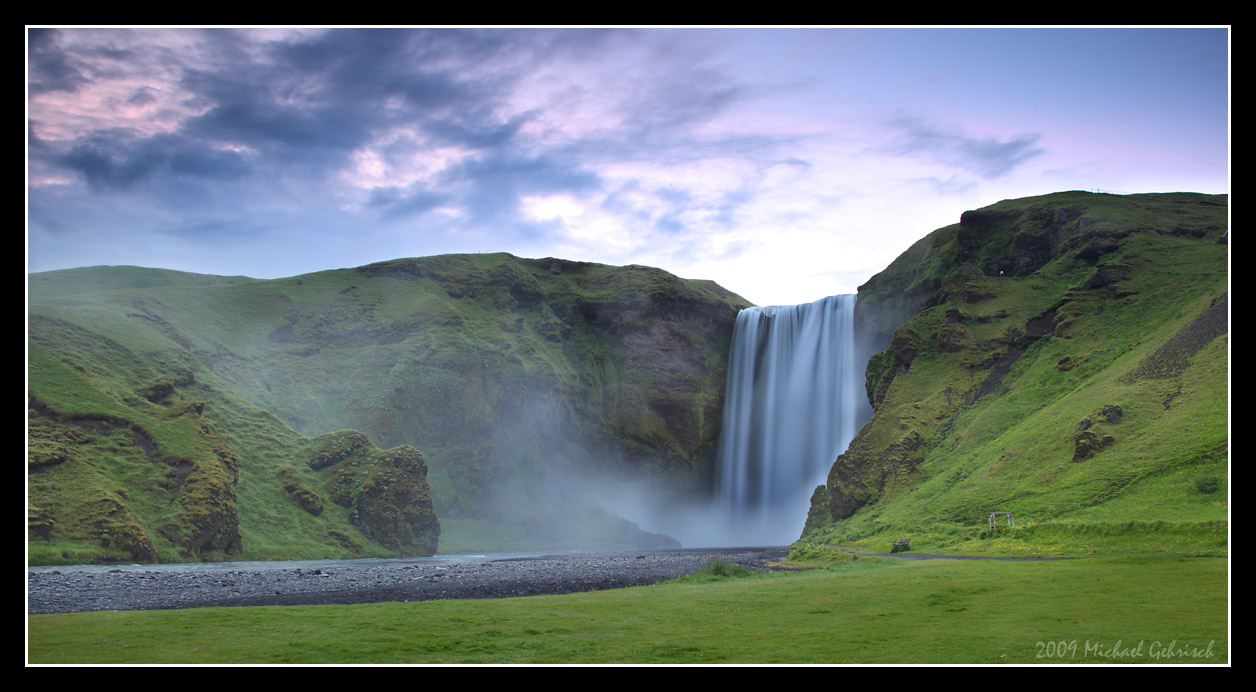
After several hundred kilometers and many thousands of birds we reached the hostel near Skogafoss around 9PM. There were no restaurants open so we fired up our Primus stove and prepared a couple of freeze-dried trekking meals before heading back to Skogafoss to do some more photography.
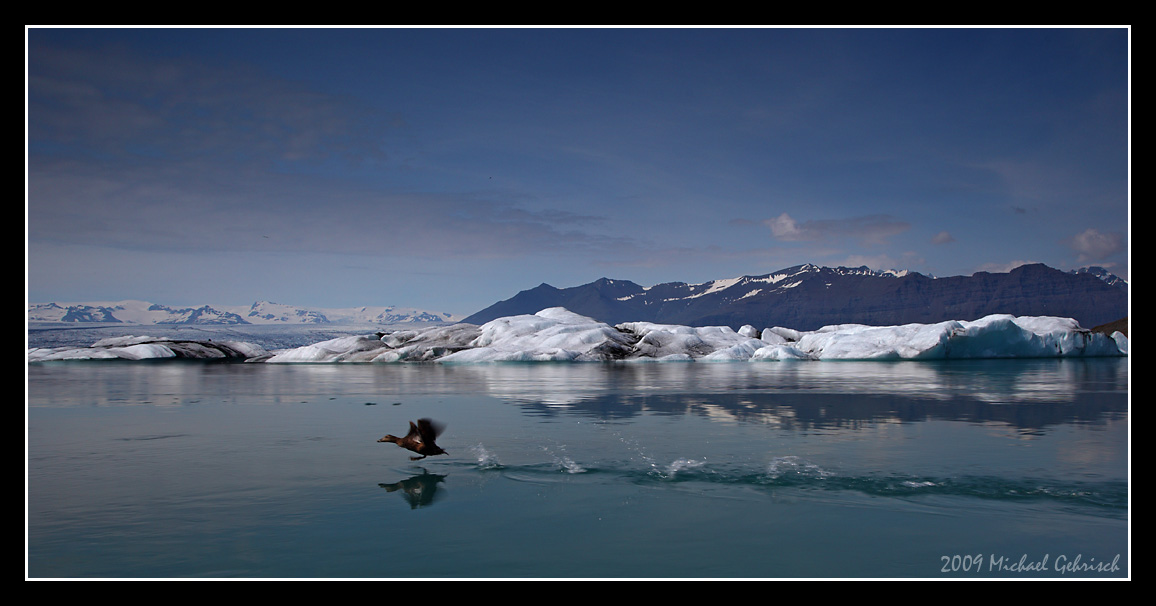
As we continued the next morning we made our way to the glacial lagoon at Jokulsarlon, with more birds and landscape on the way.
Unfortunately we did not spend the night here. We should have; ideally you should photograph here at both sunset, night and sunrise. (Who needs sleep) Instead we spent the night in Egilsstadir as we made our way towards Myvatn, the Mecca for bird watchers and photographers.
Myvatn was beyond our expectations, with a nesting gyr falcon in a public park. Unfortunately the falcons have not bred here since then.
Lake Myvatn is not just about birds, the landscape is spectacular; there are hotsprings
and even wild orchids
Heading West we made our way towards Latrabjarg to photograph puffins and landscape
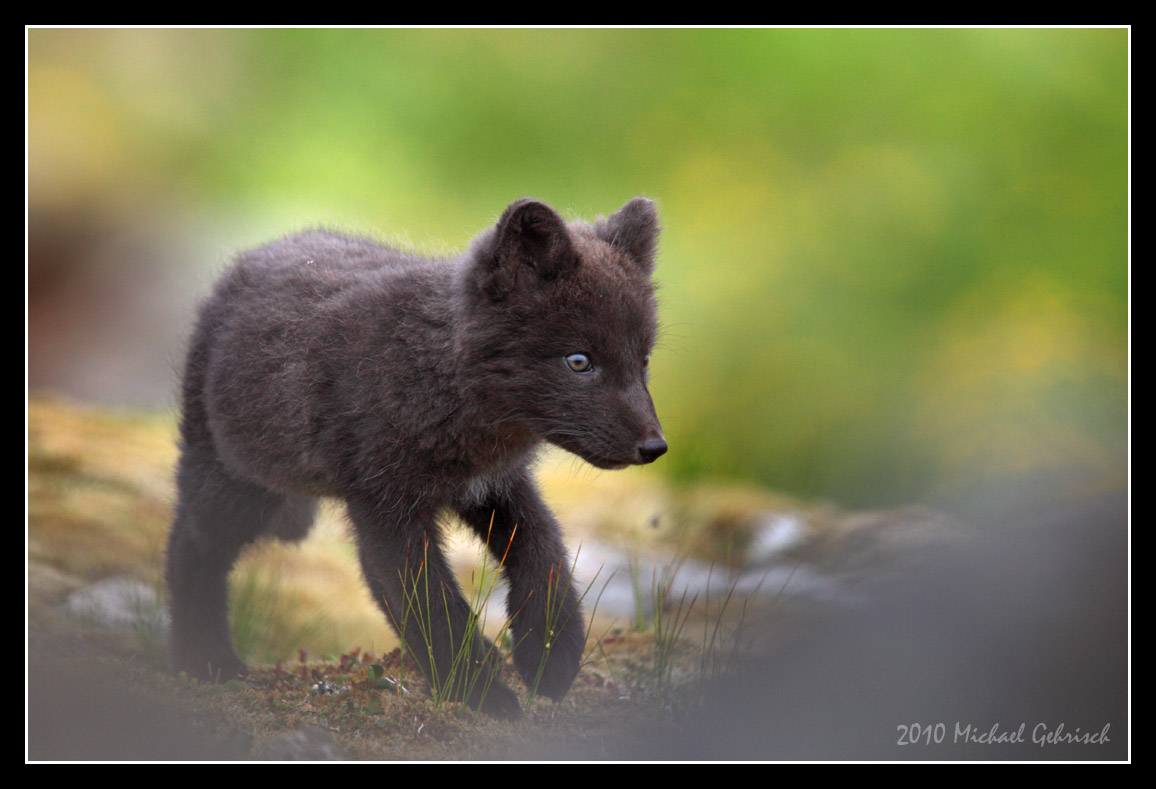
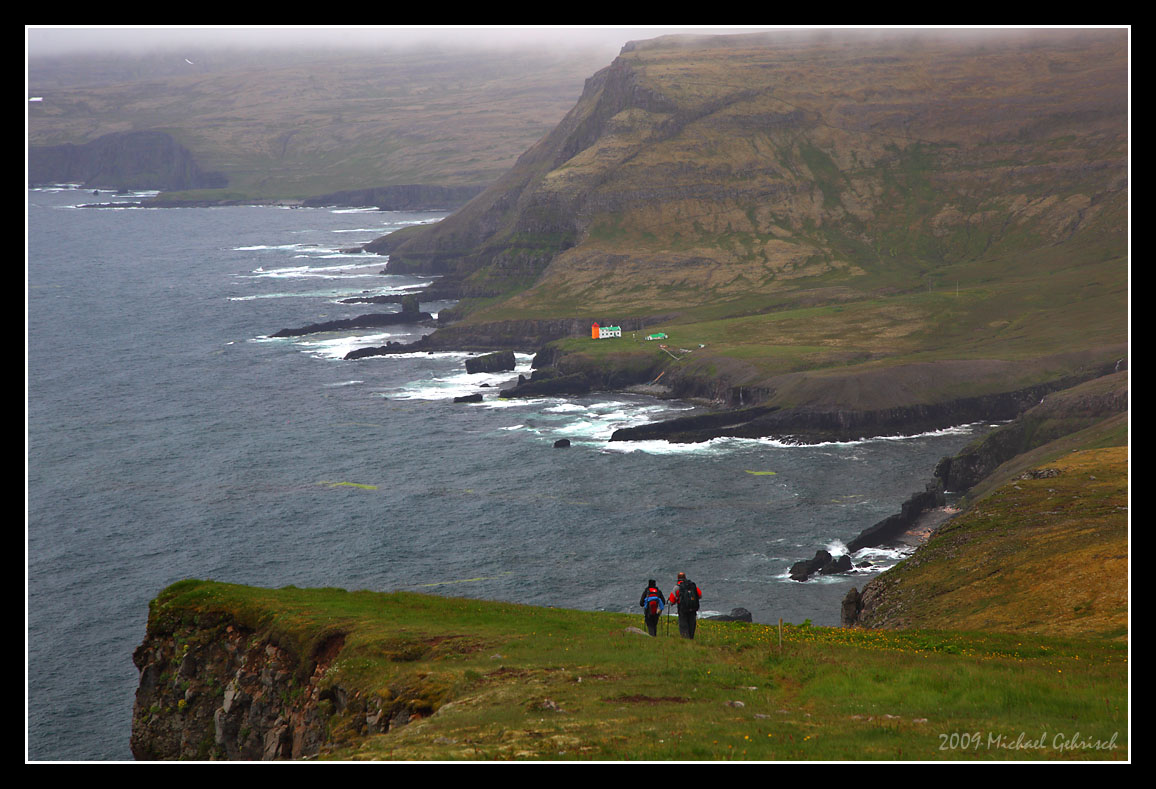
After a couple of days at Latrabjarg we continued North on to the West Fjords to photograph arctic fox. This meant 100km over gravel roads through the mountains followed by a three hour boat ride in hard seas (after an inital delay of six hours) and then a three hour hike with 20 kilos of photo and camping gear but we did find our foxes.

Unfortunately our time was running out and now the race was on to get back to Reykjavik. Luckily we were able to catch a ride on a boat that cut our travel time significantly.
We didn't even have time to stop in Reykjavik, instead we spent our last night in Keflavik to catch the 7AM flight back to Sweden. But we knew we would be back...
More images from our Iceland trips can be seen at:
http://www.pbase.com/kingfisher/iceland
![]() |
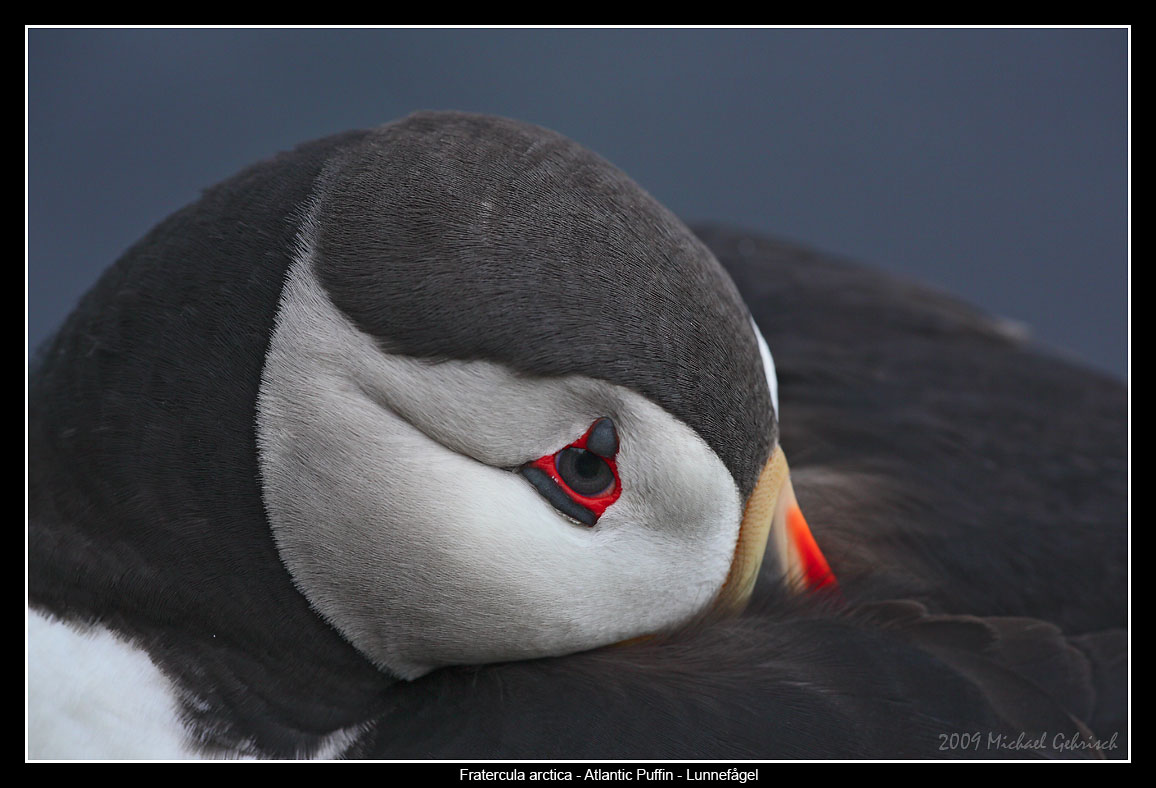
| The puffins at Latrabjarg are quite cooperative; taken with a macro lens. |
Rental cars are notoriously expensive on Iceland and the best time to book is 3-6 months ahead of time. The closer you get to summer the more expensive they become, and although we paid 1100 Euros for tiny Opel, by the time of our travel the price on the internet had more than doubled.
We landed in Keflavik at 10AM local and picked up our rental car across from the airport and immediately headed South, for the promised lands of bird and landscape photography. The Blue Lagoon was not on our itinerary, and would be saved for the day we managed to convince Lena and Kristina to join us.
After several hundred kilometers and many thousands of birds we reached the hostel near Skogafoss around 9PM. There were no restaurants open so we fired up our Primus stove and prepared a couple of freeze-dried trekking meals before heading back to Skogafoss to do some more photography.
![]() |
| Skogafoss at midnight |
![]() |
| Red-throated Diver |
![]() |
| Jokulsarlon Glacier Lagoon, Southern Iceland |
![]() |
| Johan is impressed... |
![]() |
| A pair of cooperative grebes provided hours of photo opps. |
![]() |
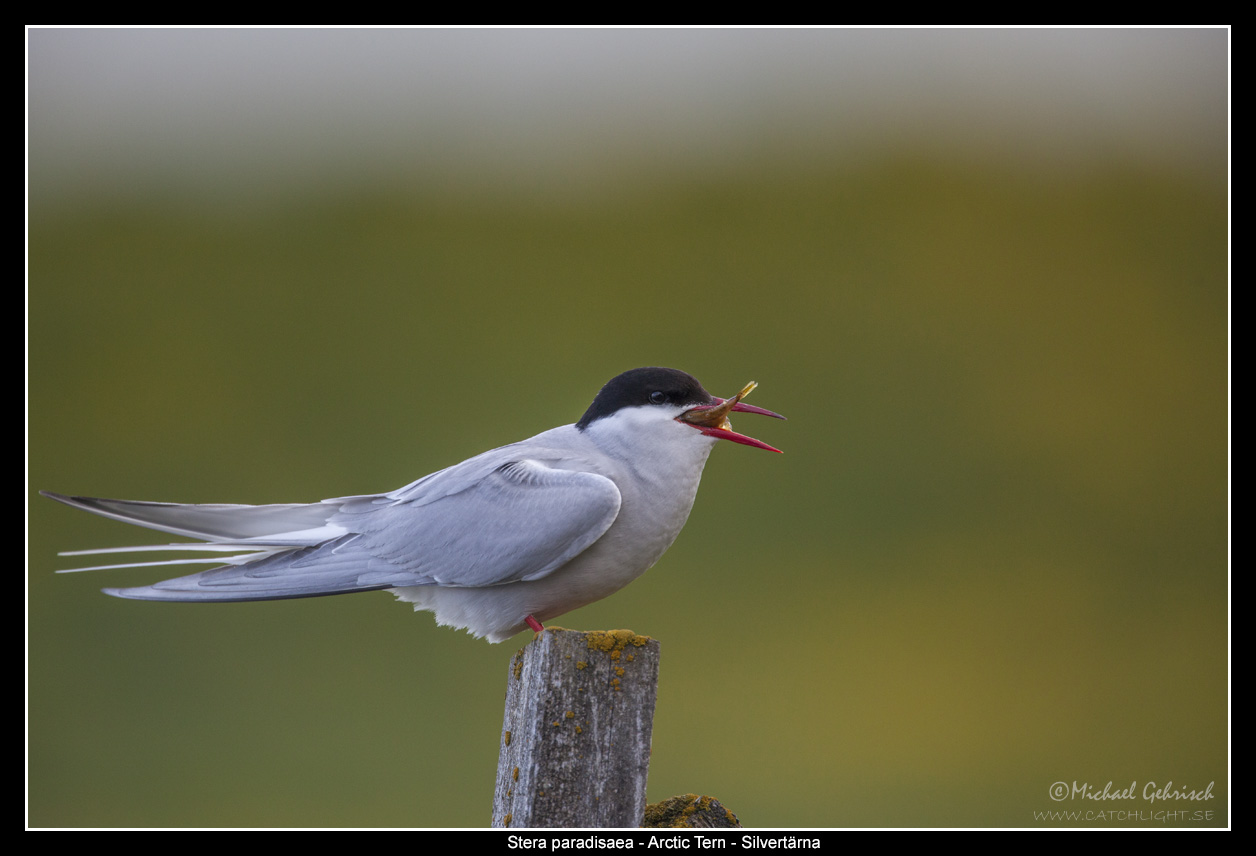
| It took this tern 10 minutes to swallow this fish, and then it sat for another 20 minutes with the tail sticking out |
and even wild orchids
Heading West we made our way towards Latrabjarg to photograph puffins and landscape
![]() |
Goưafoss, West of Myvatn |
![]() |
| Latrabjarg; that person standing way too close to the edge is Johan, don't tell my wife! |
![]() |
| Think you're having a bad day? |
![]() |
| The hike in... |
![]() |
| Three 18 hour days at a distance from the den brought results |

Unfortunately our time was running out and now the race was on to get back to Reykjavik. Luckily we were able to catch a ride on a boat that cut our travel time significantly.
We didn't even have time to stop in Reykjavik, instead we spent our last night in Keflavik to catch the 7AM flight back to Sweden. But we knew we would be back...
More images from our Iceland trips can be seen at:
http://www.pbase.com/kingfisher/iceland
Subscribe to:
Posts (Atom)