Every so often Lena gets tired of spending Christmas in Southern Californa and insists that we spend Christmas in Sweden and enjoy a traditional Christmas in Sweden. Unfortunately the weather in southern Sweden has a somewhat different interpretation of traditional Christmas, and what we generally get is rain, wind and clouds.
As luck would have it we did get some snow a couple of weeks before Christmas and Lena and I took the opportunity to pay another visit to Skäralid National Park. It made for a fantastic winter setting but it only lasted one day before the rains came and washed it all away.
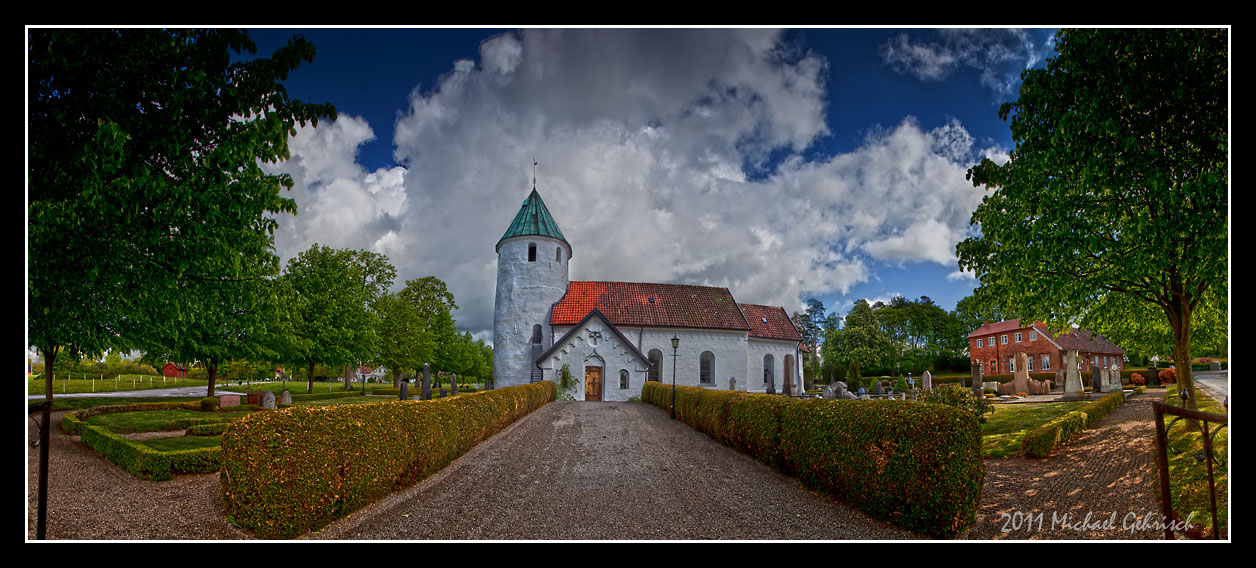
This image was taken with the Canon 6D and my "walk-around lens" the 24-105L, post-processing done in PS Lightroom, with some extra saturation to bring out the red in the buildings.
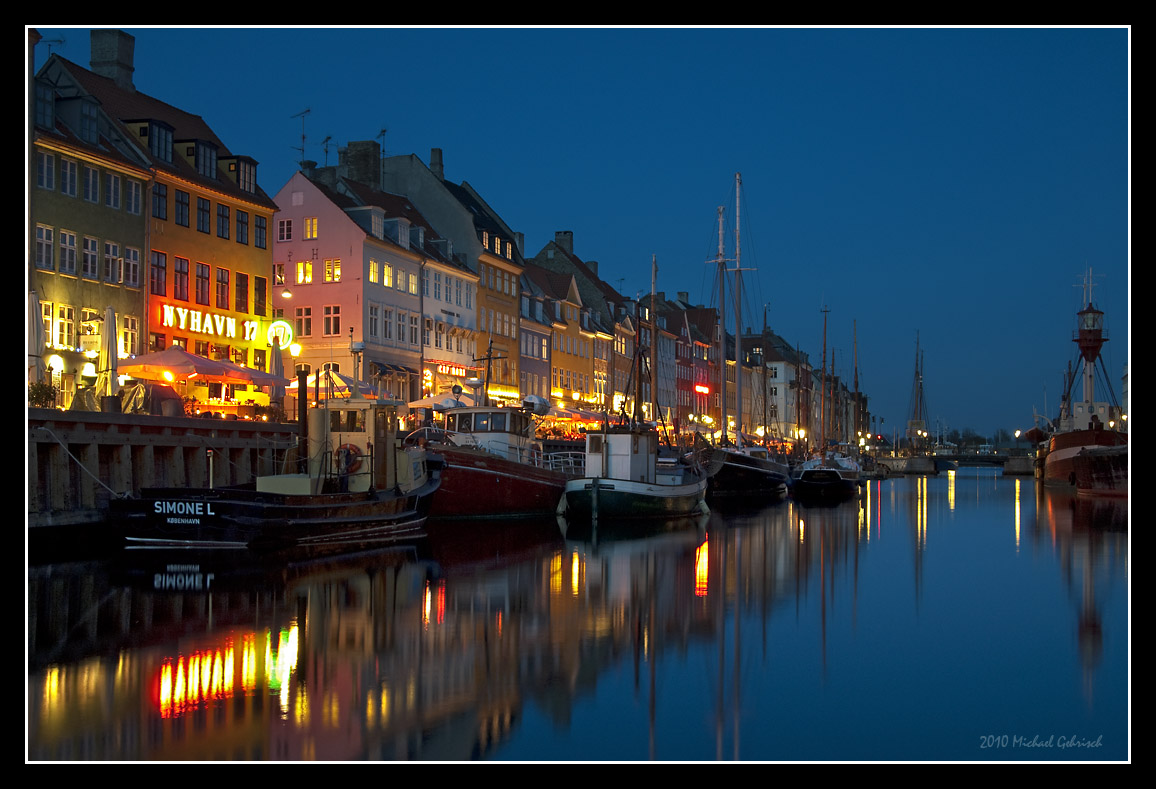
This image is taken with one of my absolute favorite lenses, the Samyang 14mm f/2.8. Although this is a completely manual lens, you shouldn't be intimidated by the lack of autofocus. Even at f2.8 the depth of field will extend from 2m to infinity, so focussing is rarely a problem. This lens costs a fraction of what Canon's 14mm lens costs, and easily matches the Canon in most aspects, and surpasses the Canon for astro-photography where the Canon has a tendency to make stars look like commas.
And here is the Christmas weather we were dreaming about:
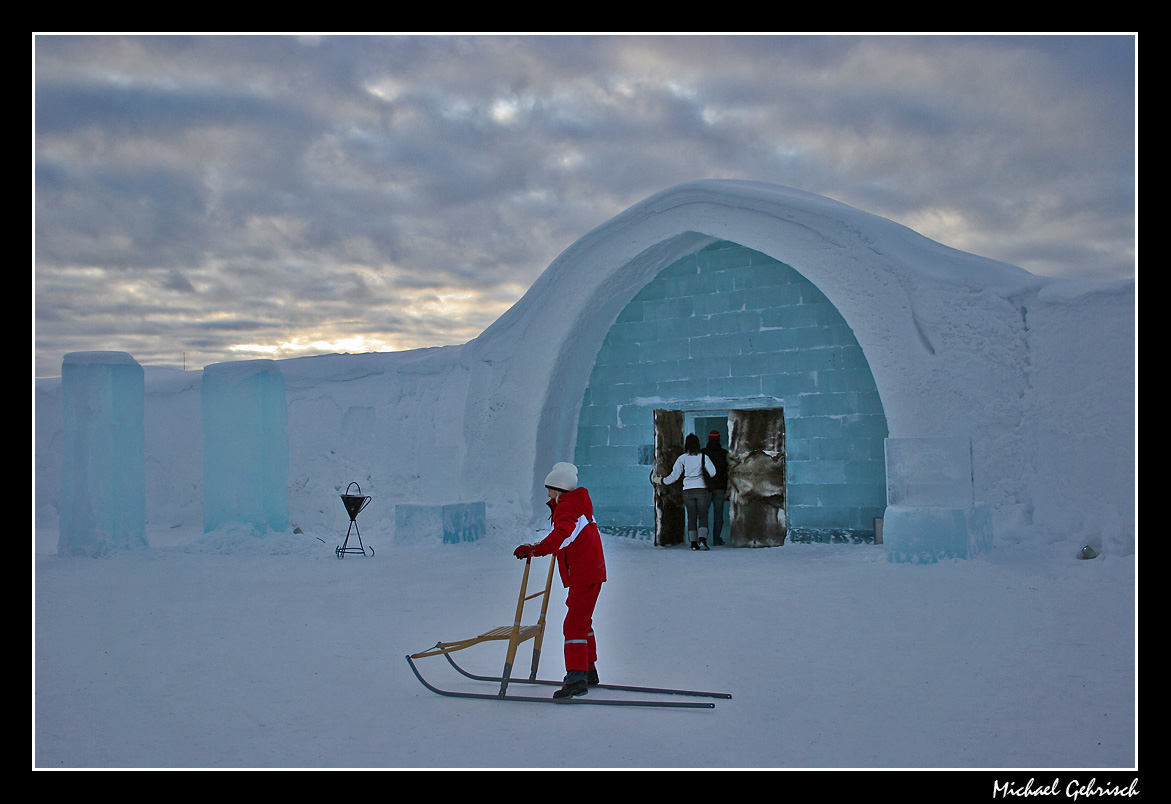
But I had to dig into the archives from 2005 and the Ice Hotel in Northern Sweden for this one.
Best wishes for a happy new year!
Showing posts with label ice hotel. Show all posts
Saturday, December 28, 2013
Thursday, January 24, 2013
Impressions of Sweden
When I arrived in Sweden for a one year university exchange program in June 1987, I thought I knew what to expect. I had spent a lot time during the previous three years at UCSD hanging out with Swedish university students, and a Swedish/American couple that had moved to the US. I had taken Swedish in night school, and read all sorts of books and guides on Sweden. But despite all my preparation, I quickly discovered that Sweden was not at all as I had imagined. Everyone did speak Swedish, but beyond that most of my expectations were way off. So explaining my take on Swedish culture would take a long, long time, but let me give you a few glimpses...
I have begun to suspect that there is a battle raging within many Swedes.
They are overachievers with an inferiority complex. There is this thing called the "Jantelag"; (the law of Jante) that basically says "Don't think that you're anything special." And most Swedes follow that law, no matter how brilliant they are.
My Swedish friends in the US were very outgoing and always up for a party at the beach or a game of tennis. But in Sweden Swedes can be a bit shy; dying for someone to talk to, but can pretend to be asleep on a crowded bus for fear that someone might speak with them. The brother of a good friend didn't attend her 50th birthday celebration because it was basically mingling while having dinner and drinks . In Sweden they do sit down dinners with assigned seating. (And by the way, they have song books at dinner parties and sing "My Bonny Lies Over the Ocean", in case they don't have anything to talk about.)
Swedes are efficient and practical to a fault; I was walking in Lund with Kristian a friend from the University when he ran into a friend of his and they exchanged greetings and spoke briefly. All the while I was waiting for him to introduce me, thinking, it will come any second. And then they said goodbye and his friend went on his way. I asked Kristian why he hadn't introduced me and he said "Oh well you're never going to see him again..."
Swedes have among the longest life-spans in the world, a beautiful country with public access to virtually all land (even private), outstanding socialized medicine (speaking from experience as the father of a 19 year old asthma sufferer), and empty freeways (with the exception of downtown Stockholm and Gothenburg) that the rest of the world dreams about. Yet they are convinced that life is better Denmark, Germany, US, UK, Thailand, well almost anywhere else...
Swedes are good at planning. They fill their calendars months in advance with dinners and lunches, meetings, trips and vacations, all the while they wish they could be spontaneous. If only they had the time.
You can't invite a Swede home for dinner without having known them for a while, in part because they're shy and would feel threatened and besides their calendar is full. But you can invite them for fika (coffee, tea, snacks etc).
My theory on the root cause for much of this is that children between 5 and 15 go through school with the same 20 or so classmates. Then when you're fifteen you go to gymnasium (high school) and spend the next four years with a slightly larger but equally stable group of classmates. And quite similar at university. So the Swedes are open to meeting new people at ages 5, 15, and 20. If you didn't get to know them at the designated ages you have an uphill battle ahead of you.
But sooner or later they warm up, and if all else fails give them a shot of aquavit :-) Take my wife, we were in the same university history class, and for three months I tried to make conversation and get her attention, but she was completely uninterested. As luck would have it with two weeks left before the end of the term she asked for help with an English essay, "No problem" I said, "But you have to go out with me". I made her stir-fry Chinese in her dorm kitchen and she was sold. The way to a woman's heart is through her stomach...
So it would be close to impossible to make you understand what I have experienced, but I will try to give you a glimpse through a few pictures that have some symbolic value for my encounter with Sweden and Swedes...
This is the group of students from the University of California that I came to Sweden with in 1987. None of us knew you had to take off your shoes when you entered a Swedish home. Some of us still didn't get it when we returned to the US.
July in Abisko (above the arctic circle) 1987, the land of the midnight sun. What's wrong with this picture?
You might say the snow, no sun, looks cold. Well that's the way it is in Northern Sweden even in the middle of the summer. But a Swede will look at his picture and immediately spot that these must be four foreigners or complete amateurs. NOBODY in Sweden goes to Norrland (the Swedish arctic) without gummistövlar (rubber boots, wellingtons), shell pants, a parka and walking poles. And for good reason I might add, we had to wring the ice water out of our socks numerous times during our 10 mile hike in the snow and fog. But we lived to tell about it :-) Southern California boy that I am, I still wear sandals even in the winter.
And of course in the winter this area is famous for the Ice Hotel
Petroglyphs at Tanums Hede Sweden has been inhabited by some pretty good artists all the back to about 1800BC.
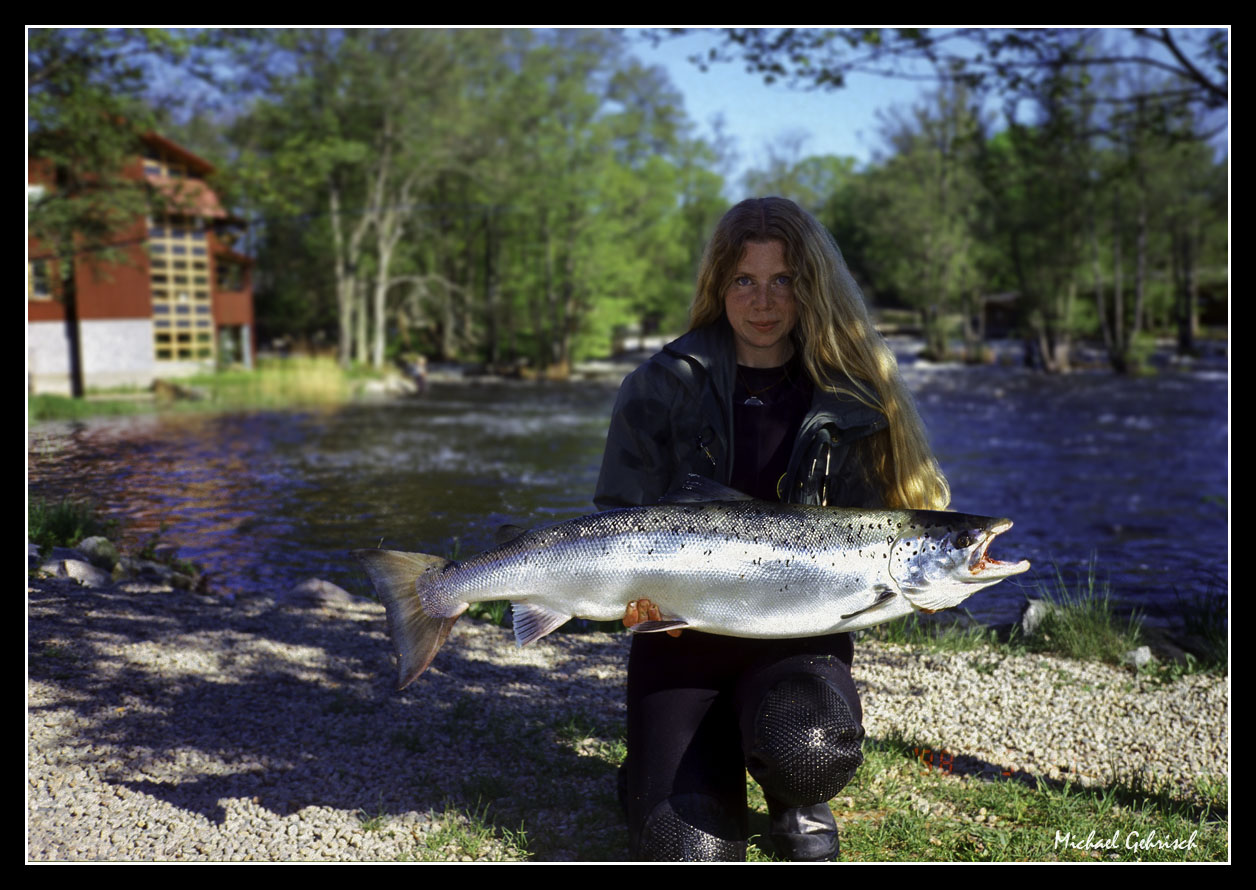
Every fisherman's dream. Sweden has some great salmon fishing and I have spent at least 50 days and 15000kr ($2000USD) fishing in the Mörrum River with only one 3 pound salmon to show for it. But Camilla Hedlund is one of Sweden's more accomplished fly-fishers, and has landed countless salmon in salmon rivers across Scandinavia. I gave up and bought a boat.
It's uncrowded and beautiful. The archipelagos around both Stockholm and Gothenburg have fabulous scenery where you can be completely alone just minutes from the largest cities in Sweden.
Swedes have a Lutheran work ethic, but they're not very religious, at least they don't go to church very often. Swedes are all about being practical and rational. This sometimes clashes with other cultures where small talk and socializing are the openers before getting down to business. The Swedish EU delegation recently figured out (after 15 years in the EU) that they were missing a lot of negotiations that were going on in the restaurants of Brussels during the evenings. The Swedes had been going home to get a good nights sleep.
Ribergsborgs Kallbadhus in Malmö. Built in 1898, the cold water bath, (all the way at the end of the pier) on the open ocean, open all year round. Swedes will take the plunge into the icy waters before taking a bastu (sauna). There are separate sides for men and women in case you want to swim in the nude. While Swedes are VERY open about sexuality on a political and public level, the same is not true on a private level. They will however tell you they have to pee even at an exclusive dinner and restaurant. No restrooms in Sweden, here we have toilets...
Industry and agriculture is what this Sweden's welfare state was built on, but recently a lot of industries are being sold to foreign investors and in many cases shut down. I'm not sure anybody has figured out what Sweden will live on in the future. Maybe we can become au-pairs for the Chinese?
The back streets of Lund are charming and give a glimpse into how life and cities looked hundreds of years ago, sans bicycle...
Southern Sweden has traded hands between Denmark and Sweden several times since the Vikings ruled, and the Swedish dialect in Southern Sweden is not easily understood by Swedes North of the region of Scania. In fact most Scanians have a greater affection for Denmark than for Stockholm and Stockholmers who are sometimes called "08s" referring to the telephone prefix for Stockholm. But in Southern Sweden we gladly travel to Copenhagen which is a mere thirty minutes away.
I still get a lot of questions from Swedes on how I could leave Southern California, so I show people this picture. "Oh", they say understandingly "you love the Swedish ice cream."
For more of my pictures of Sweden see:
http://www.pbase.com/kingfisher/sweden
I have begun to suspect that there is a battle raging within many Swedes.
They are overachievers with an inferiority complex. There is this thing called the "Jantelag"; (the law of Jante) that basically says "Don't think that you're anything special." And most Swedes follow that law, no matter how brilliant they are.
My Swedish friends in the US were very outgoing and always up for a party at the beach or a game of tennis. But in Sweden Swedes can be a bit shy; dying for someone to talk to, but can pretend to be asleep on a crowded bus for fear that someone might speak with them. The brother of a good friend didn't attend her 50th birthday celebration because it was basically mingling while having dinner and drinks . In Sweden they do sit down dinners with assigned seating. (And by the way, they have song books at dinner parties and sing "My Bonny Lies Over the Ocean", in case they don't have anything to talk about.)
Swedes are efficient and practical to a fault; I was walking in Lund with Kristian a friend from the University when he ran into a friend of his and they exchanged greetings and spoke briefly. All the while I was waiting for him to introduce me, thinking, it will come any second. And then they said goodbye and his friend went on his way. I asked Kristian why he hadn't introduced me and he said "Oh well you're never going to see him again..."
Swedes have among the longest life-spans in the world, a beautiful country with public access to virtually all land (even private), outstanding socialized medicine (speaking from experience as the father of a 19 year old asthma sufferer), and empty freeways (with the exception of downtown Stockholm and Gothenburg) that the rest of the world dreams about. Yet they are convinced that life is better Denmark, Germany, US, UK, Thailand, well almost anywhere else...
![]() |
| Falu red; the red color of all Swedish cottages and many Swedish homes. It started as the waste product from the Falu copper mine in Sweden, and turned out to be a pretty good preservative of wood. (Yes I have taken artist liberties with the saturation) |
Swedes are good at planning. They fill their calendars months in advance with dinners and lunches, meetings, trips and vacations, all the while they wish they could be spontaneous. If only they had the time.
You can't invite a Swede home for dinner without having known them for a while, in part because they're shy and would feel threatened and besides their calendar is full. But you can invite them for fika (coffee, tea, snacks etc).
My theory on the root cause for much of this is that children between 5 and 15 go through school with the same 20 or so classmates. Then when you're fifteen you go to gymnasium (high school) and spend the next four years with a slightly larger but equally stable group of classmates. And quite similar at university. So the Swedes are open to meeting new people at ages 5, 15, and 20. If you didn't get to know them at the designated ages you have an uphill battle ahead of you.
But sooner or later they warm up, and if all else fails give them a shot of aquavit :-) Take my wife, we were in the same university history class, and for three months I tried to make conversation and get her attention, but she was completely uninterested. As luck would have it with two weeks left before the end of the term she asked for help with an English essay, "No problem" I said, "But you have to go out with me". I made her stir-fry Chinese in her dorm kitchen and she was sold. The way to a woman's heart is through her stomach...
So it would be close to impossible to make you understand what I have experienced, but I will try to give you a glimpse through a few pictures that have some symbolic value for my encounter with Sweden and Swedes...
This is the group of students from the University of California that I came to Sweden with in 1987. None of us knew you had to take off your shoes when you entered a Swedish home. Some of us still didn't get it when we returned to the US.
July in Abisko (above the arctic circle) 1987, the land of the midnight sun. What's wrong with this picture?
You might say the snow, no sun, looks cold. Well that's the way it is in Northern Sweden even in the middle of the summer. But a Swede will look at his picture and immediately spot that these must be four foreigners or complete amateurs. NOBODY in Sweden goes to Norrland (the Swedish arctic) without gummistövlar (rubber boots, wellingtons), shell pants, a parka and walking poles. And for good reason I might add, we had to wring the ice water out of our socks numerous times during our 10 mile hike in the snow and fog. But we lived to tell about it :-) Southern California boy that I am, I still wear sandals even in the winter.
And of course in the winter this area is famous for the Ice Hotel
Petroglyphs at Tanums Hede Sweden has been inhabited by some pretty good artists all the back to about 1800BC.
Every fisherman's dream. Sweden has some great salmon fishing and I have spent at least 50 days and 15000kr ($2000USD) fishing in the Mörrum River with only one 3 pound salmon to show for it. But Camilla Hedlund is one of Sweden's more accomplished fly-fishers, and has landed countless salmon in salmon rivers across Scandinavia. I gave up and bought a boat.
It's uncrowded and beautiful. The archipelagos around both Stockholm and Gothenburg have fabulous scenery where you can be completely alone just minutes from the largest cities in Sweden.
Swedes have a Lutheran work ethic, but they're not very religious, at least they don't go to church very often. Swedes are all about being practical and rational. This sometimes clashes with other cultures where small talk and socializing are the openers before getting down to business. The Swedish EU delegation recently figured out (after 15 years in the EU) that they were missing a lot of negotiations that were going on in the restaurants of Brussels during the evenings. The Swedes had been going home to get a good nights sleep.
Ribergsborgs Kallbadhus in Malmö. Built in 1898, the cold water bath, (all the way at the end of the pier) on the open ocean, open all year round. Swedes will take the plunge into the icy waters before taking a bastu (sauna). There are separate sides for men and women in case you want to swim in the nude. While Swedes are VERY open about sexuality on a political and public level, the same is not true on a private level. They will however tell you they have to pee even at an exclusive dinner and restaurant. No restrooms in Sweden, here we have toilets...
Industry and agriculture is what this Sweden's welfare state was built on, but recently a lot of industries are being sold to foreign investors and in many cases shut down. I'm not sure anybody has figured out what Sweden will live on in the future. Maybe we can become au-pairs for the Chinese?
The back streets of Lund are charming and give a glimpse into how life and cities looked hundreds of years ago, sans bicycle...
Southern Sweden has traded hands between Denmark and Sweden several times since the Vikings ruled, and the Swedish dialect in Southern Sweden is not easily understood by Swedes North of the region of Scania. In fact most Scanians have a greater affection for Denmark than for Stockholm and Stockholmers who are sometimes called "08s" referring to the telephone prefix for Stockholm. But in Southern Sweden we gladly travel to Copenhagen which is a mere thirty minutes away.
I still get a lot of questions from Swedes on how I could leave Southern California, so I show people this picture. "Oh", they say understandingly "you love the Swedish ice cream."
For more of my pictures of Sweden see:
http://www.pbase.com/kingfisher/sweden
Sunday, February 6, 2005
The Coolest Spot in Sweden
Our good friends Aurelie and Aurelién, two graduate students from France spent a lot of their free time travelling around Sweden, Scandinavia and Northern Europe. I'm pretty sure they have seen more of Sweden than most Swedes. But being a "immigrant" myself I suggested the most exotic trip that I could imagine; a trip to the Ice Hotel in Jukkasjärvi followed by a trip to the 400th annual Jokkmokks marknad the first weekend in February.They were up for the adventure and we booked a flight to Kiruna, the nearest town where we rented a car. We spent the first day in Jukkasjärvi visiting the Ice Hotel, which is open for visitors until 5PM when the guests get to move into the rooms.
Check-in for hotel guests is 5PM, during the day visitors are allowed to view all the suites and rooms in the Hotel.
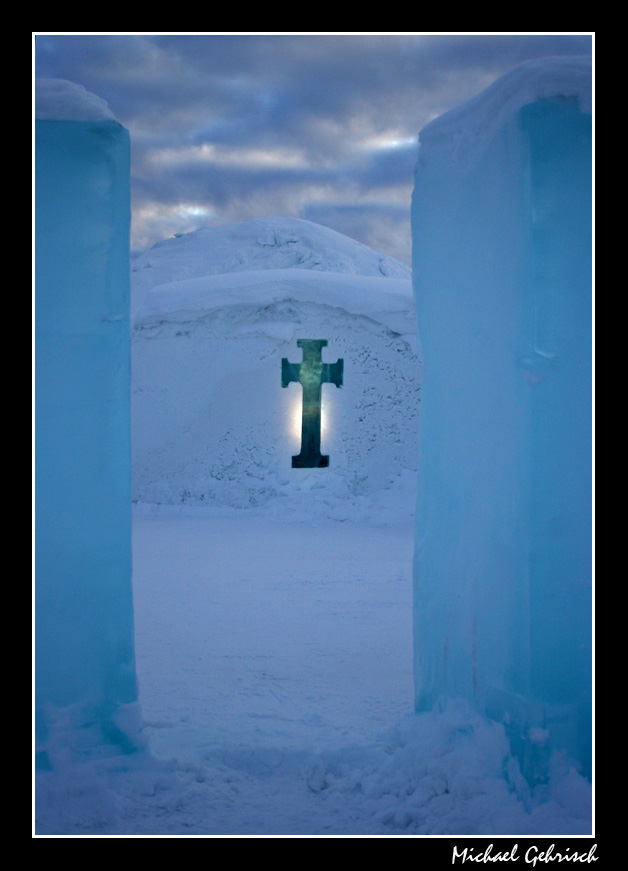
There is even an Ice Chapel where you can get married, or simply enjoy the peace and quiet.
After leaving the Ice Hotel in the afternoon we headed towards Jokkmokk for the 400th annual Sami market. Jokkmokk which normally has 3000 residents, swells to 30,000 during the market making finding accommodations a bit of a challenge. We wound up staying in a sleeper compartment of a train parked in town. 5 people with baggage in a compartment for 6, it was cozy to say the least.
The Samis are the indigenous people of the Arctic region called Sapmi which includes Northern Norway, Sweden, Finland and the Kola peninsula of Russia. One of their main livlihoods throughout history has been reindeer herding, and reindeer is not only a chief source of nuturition and hides, but also a source of material for some of the most exquisite handcraft you can imagine. The primary materials are reindeer horn, birch burl and reindeer skins, and during the Jokkmokks marknad you can see the crafts from many different artists on display at Ájtte the local museum and school.
It was difficult to photograph the crafts, so I would suggest a visit to one of the many sites that do this, such as Risfjell.
![]() |
| The entrance to the Ice Hotel, Kristina on a "spark"(Swedish for kick) the traditional transportation |
![]() |
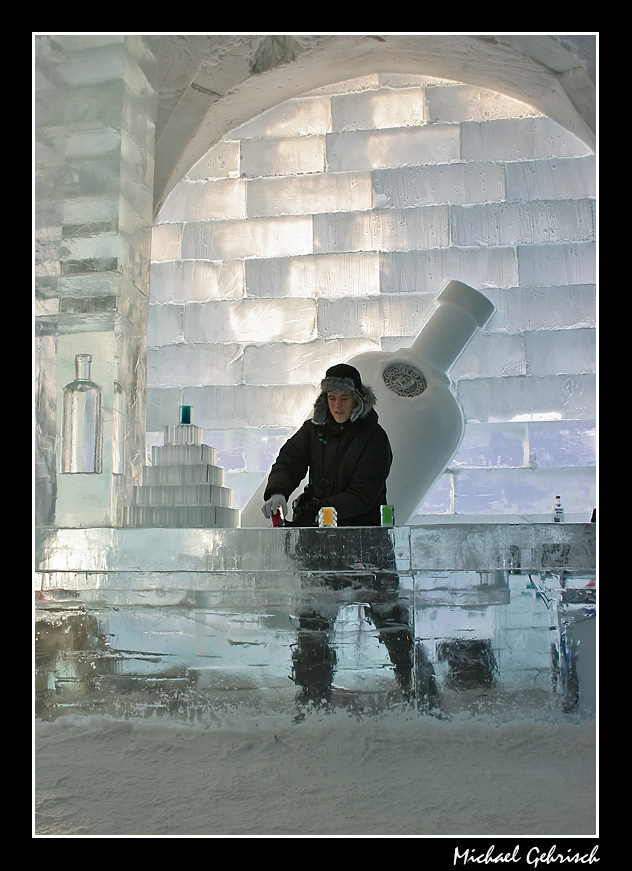
| Guest bartender Aurelien |
![]() |
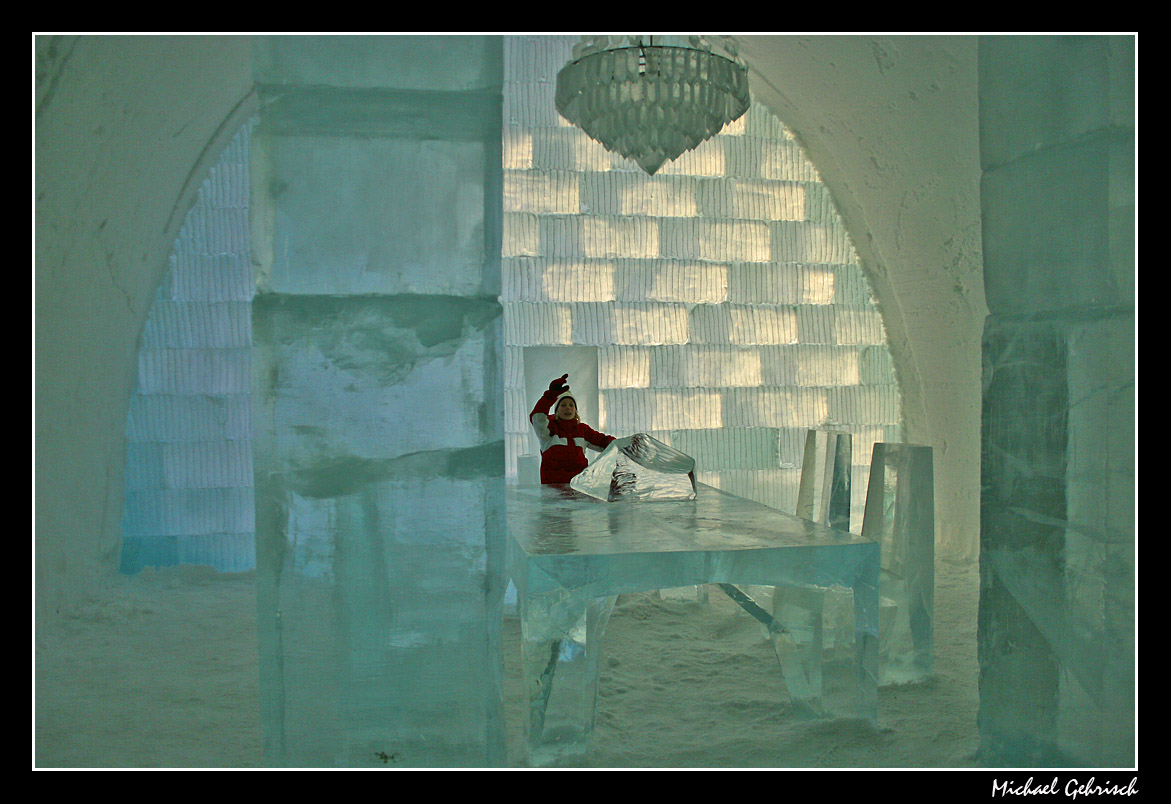
| The chandelier, chairs and drinking glasses are made of ice |
![]() |
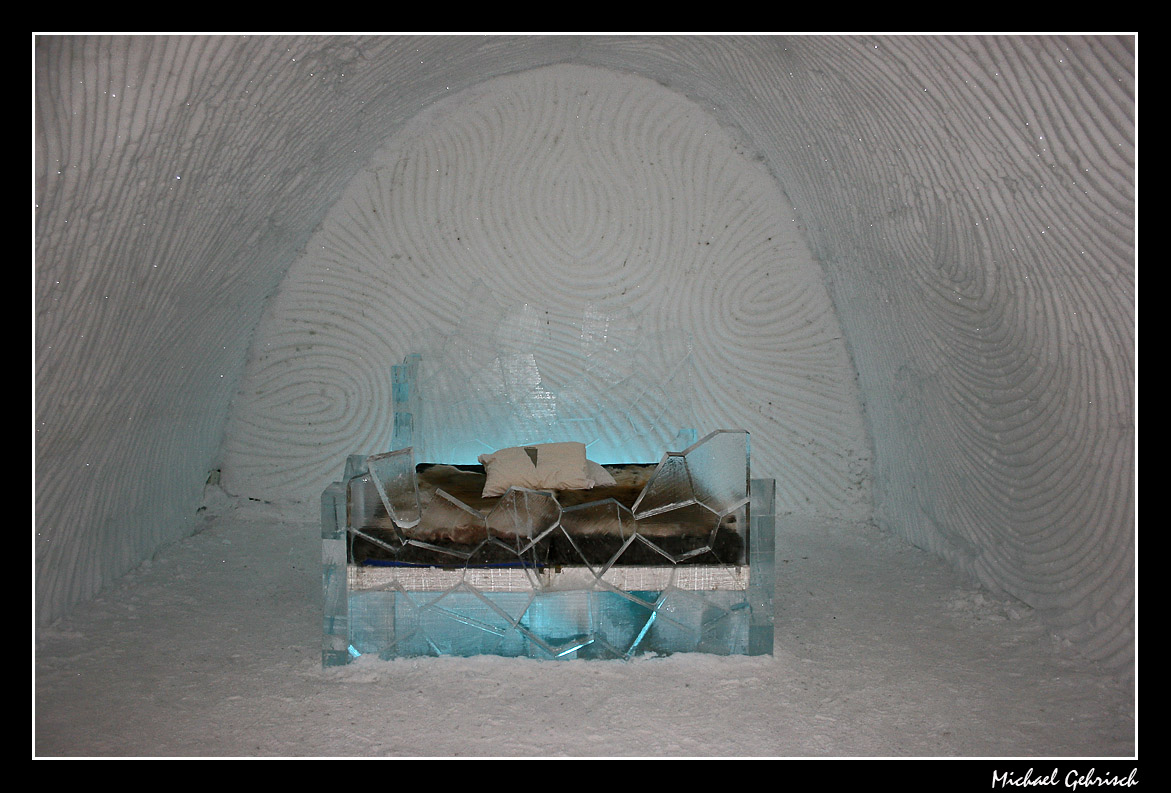
| Bed formed as a dog sled, pulled by dogs of ice |
After spending a couple of hours in the Ice Hotel we made the three hour drive to Jokkmokk to explore the market.
![]() |
| Traditional Sami festival clothing |
![]() |
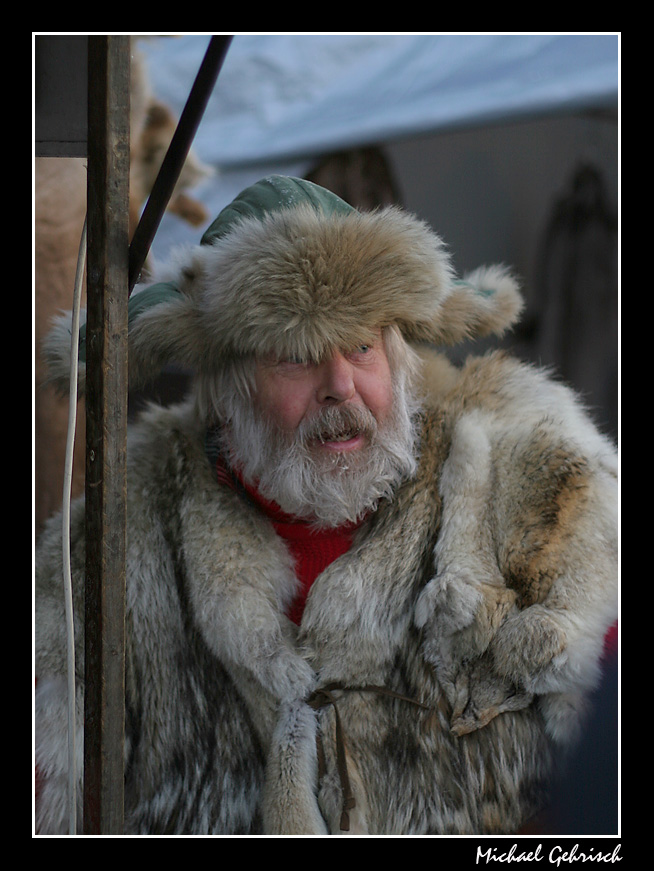
| Wild Hasse, one of the traditional participants |
![]() |
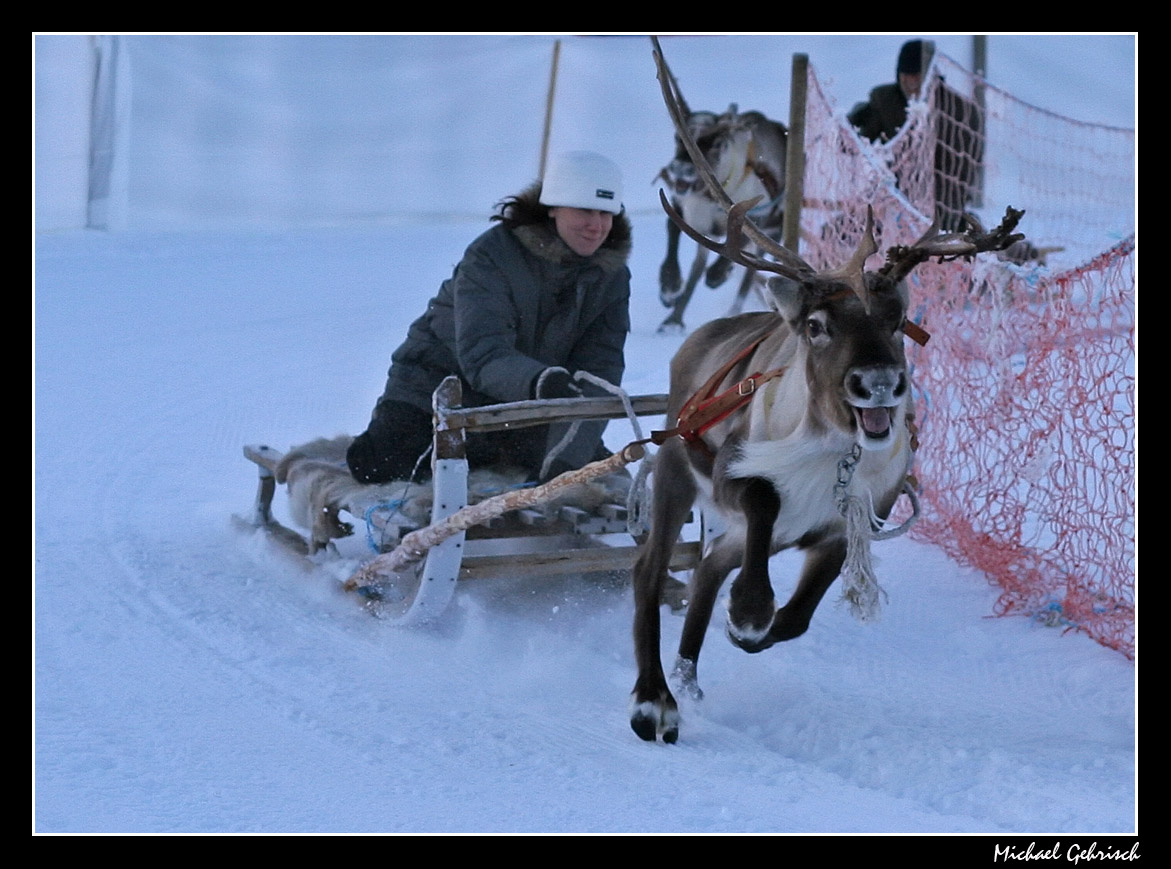
| reindeer racing in Jokkmokk |
After leaving the Ice Hotel in the afternoon we headed towards Jokkmokk for the 400th annual Sami market. Jokkmokk which normally has 3000 residents, swells to 30,000 during the market making finding accommodations a bit of a challenge. We wound up staying in a sleeper compartment of a train parked in town. 5 people with baggage in a compartment for 6, it was cozy to say the least.
The Samis are the indigenous people of the Arctic region called Sapmi which includes Northern Norway, Sweden, Finland and the Kola peninsula of Russia. One of their main livlihoods throughout history has been reindeer herding, and reindeer is not only a chief source of nuturition and hides, but also a source of material for some of the most exquisite handcraft you can imagine. The primary materials are reindeer horn, birch burl and reindeer skins, and during the Jokkmokks marknad you can see the crafts from many different artists on display at Ájtte the local museum and school.
One of the foremost Sami artists is Erik Fankki who has his own website with a gallery of his work.
Although it's rather cold in this part of Sweden in February, the humidity is very low, and it is usually not windy, so it is quite bearable with the right clothes, and if you're lucky you might be able to see the Northern Lights.
More images from this trip can be seen at my website
Subscribe to:
Posts (Atom)